In a world of abundance, the reality of hunger among displaced communities remains one of the most urgent and heartbreaking challenges of our time. Millions of forcibly displaced people rely on humanitarian aid not just for sustenance, but for survival. And yet, the support they receive has been dwindling.
In Kakuma, one of the largest refugee camps, 60% of households depend entirely on food aid. However, by mid-2025, the WFP was compelled to cut assistance by 70%, reducing support from AU$26 to just AU$8 per person each month – that’s 30 cents a day.
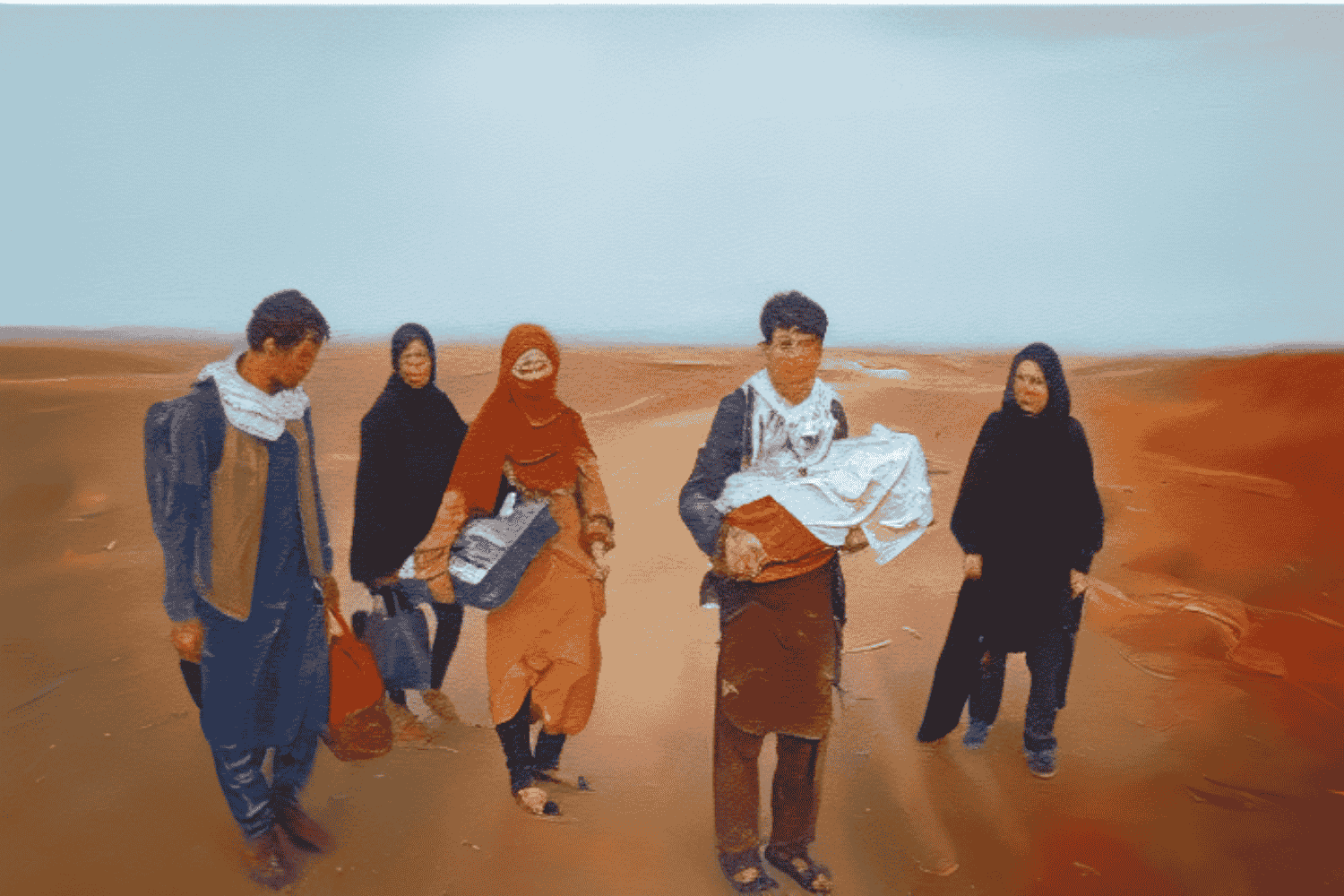
It’s almost impossible to survive on such little food relief. Kakuma is in a remote, semi-desert region of north-western Kenya. The land is dry, and water is extremely scarce, making agriculture nearly impossible.
A Global Snapshot
The consequences are devastating.
Without urgent funding, cash assistance will halt entirely, and in-kind food rations will drop to just 28% of the recommended amount.
In Pakistan, Afghan refugees face stark realities. Their month aid is anywhere from AU$8 to AU$30 per person, and many receive no consistent support at all. Without legal protections or stable funding, countless families are left to fend for themselves in increasingly hostile conditions.
In Lebanon, Syrian refugee received a monthly aid of AU$60-100 per person in 2023 from the WFP and UNHCR. While this support helped cover basic needs, it was never enough to lift families out of hardship.
For refugees in Jordan, the monthly aid was AU$33 per person, down from AU$150 in previous years.
These cuts reflect broader funding shortfalls that have forced humanitarian agencies to scale back even the most essential services.
A Solution?
In most Australian cities, every eligible drink container tossed into a recycling bin could be worth 10 cents if we take the extra step to return in through the Return and Earn scheme. It’s easy to overlook that value, but when you consider the global hunger crisis, that small coin suddenly carries weight.
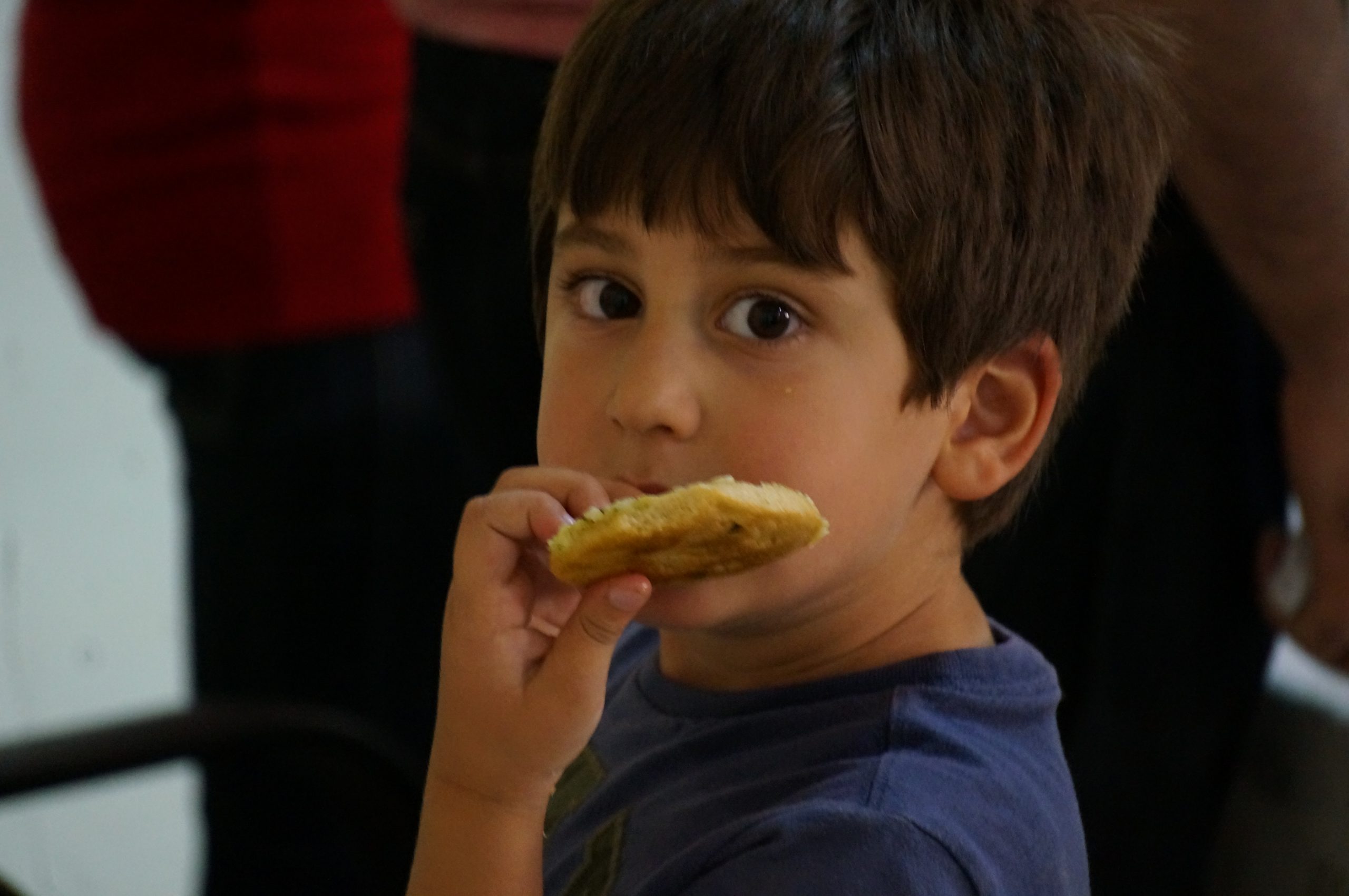
Imagine this: For every 3 bottles we casually discard, that’s 30 cents – enough to contribute towards a basic meal for a child in need.
Multiply that by dozens of bottles we go through each month, and the potential becomes staggering.
What if we saw each bottle not just as waste, but as a chance to nourish someone?
What if our recycling habits weren’t just about sustainability, but also as an act of faith?
A What can Philoi do?
As a small organisation, we receive constant calls and messages from displaced families asking for help to feed their children. And far too often, we have to say:
We’re not able to support you. The need is so big, and we are so small.
We pray with them. We remind them that the Lord sees their suffering. But recently, while reading a report from the Institute of Development Policy at the University of Oxford, I was deeply challenged by the words of James 2:15-16:
“If one of you says to them, ‘God in peace; keep warm and well-fed,’ but does nothing…what good is it?”
This verse is not just a call to compassion; it’s a call to action. Faith without deeds is empty. And in the face of hunger, silence is complicity.
The global refugee crisis demands more than sympathy. It demands sustained funding, political will, and grassroots action. Whether you’re a policymaker, a donor, or a person of faith, the question remains: What will you do when hunger knocks?
By simply collecting and returning those bottles, we’re not just cleaning up the environement – we’re unlcking a hudden currency that fosters compassion for the world’s most in-need. It’s a reminder that even the smallest actions, when done with intention, can ripple outward and change lives.
Let’s not look away. Let’s talk about hunger – and then do something about it.
Consider joining the Recycle 4 Refugees initiative today.
We are deeply grateful for your generosity and are committed to using your donation effectively to make a lasting impact. Together, we can be a source of hope where it’s needed most.