75 years after the Refugee Convention was adopted, declining trust in international institutions raises an important question: what does faithful Christian engagement look like today?
“If the foundations be destroyed, what can the righteous do?”
Psalm 11:3
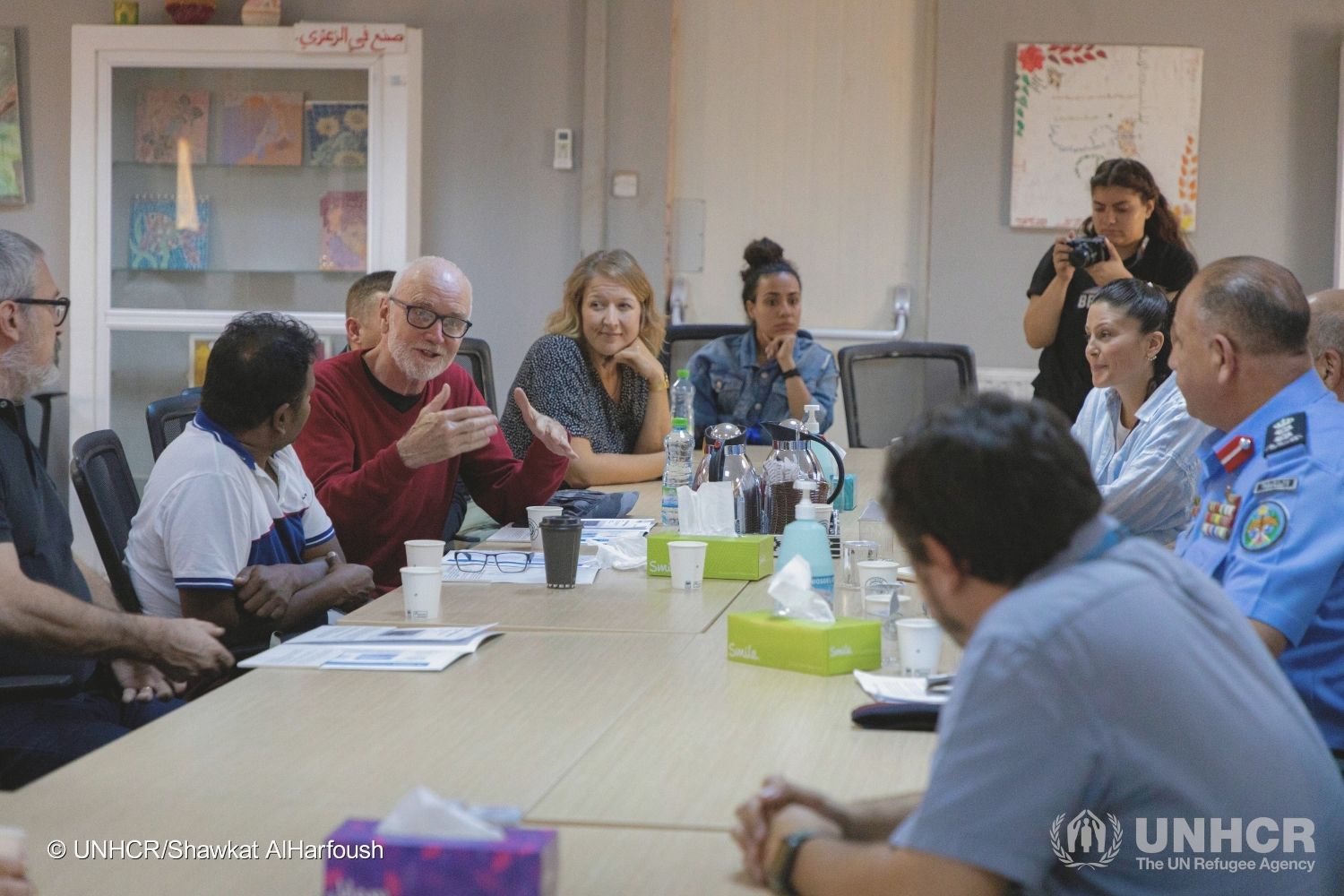
Many Christians today are frustrated with international institutions. As organisations become increasingly bureaucratic, politicised, or resistant to reform, withdrawal can seem like a reasonable response. Some even argue that institutions such as the United Nations are no longer fit for purpose.
Yet for Christians, disengagement comes with consequences. Laws, conventions, and institutions that shape the lives of vulnerable people do not disappear when people of faith leave the conversation. They continue to influence outcomes for millions, including refugees, displaced people, and persecuted religious minorities.
A Christian Legacy in Refugee Protection
The Refugee Convention developed alongside the Universal Declaration of Human Rights (1948), a document influenced in part by leaders such as Eleanor Roosevelt, Charles Malik, and René Cassin, whose Judeo-Christian convictions informed their commitment to human dignity and protection for the vulnerable. Their work laid the foundation for safeguards that continue to benefit millions worldwide.
The 1951 Refugee Convention was negotiated by government representatives from a diverse range of nations under the auspices of the United Nations. Christian individuals and organisations helped shape the Convention’s underlying principles. Churches contributed moral leadership, practical expertise, and advocacy throughout the drafting process (through bodies such as the Commission of the Churches on International Affairs and the International Missionary Council).
The Convention established legal protections for people fleeing persecution on the basis of race, religion, nationality, membership of a particular social group, or political opinion. These principles closely reflect biblical values. Scripture repeatedly calls God’s people to welcome the stranger, protect the vulnerable, and uphold the dignity of every person created in the image of God.
The Bible and the UDHR
The Bible calls believers not only to care for those who suffer, but also to confront the systems and structures that contribute to suffering.
Proverbs 31:8-9 instructs us to “speak up for those who cannot speak for themselves” and to defend the rights of the poor and needy. Dietrich Bonhoeffer expressed a similar conviction during the rise of Nazi Germany:
"The Church must not simply bandage the wounds of victims beneath the wheels of injustice; it must drive a spoke into the wheel itself."
For Christians concerned about refugees, displaced people, and persecuted minorities, this means that humanitarian aid alone is not enough. Advocacy matters. Laws, policies, and institutions shape the lives of millions of vulnerable people, and Christians have a responsibility to be present where those decisions are made. Meeting immediate needs is essential, but long-term protection also depends on the policies, laws, and institutions that determine whether vulnerable people can find safety and rebuild their lives.
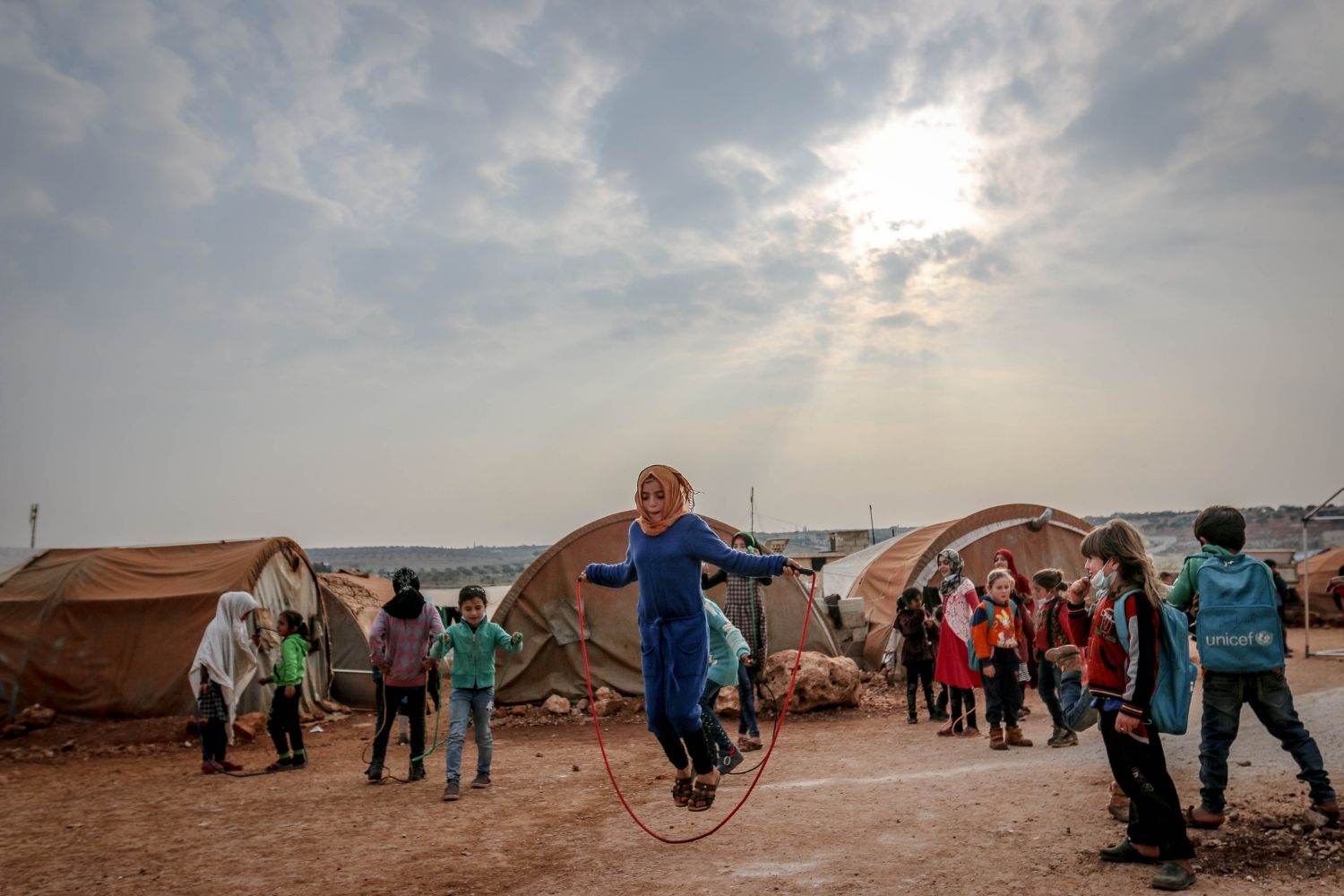
While the number of people forced to flee violence, conflict, and religious persecution continues to rise, many countries are adopting increasingly restrictive approaches to asylum and refugee protection. As political support for refugee protection weakens in some parts of the world, the need for advocacy becomes even more important.
When the Church withdraws from public advocacy, those most in need of representation often lose an important voice. Displaced Christians, religious minorities, converts, and persecuted communities frequently have limited access to decision-makers and few advocates speaking on their behalf.
What does Faithful Engagement Look Like?
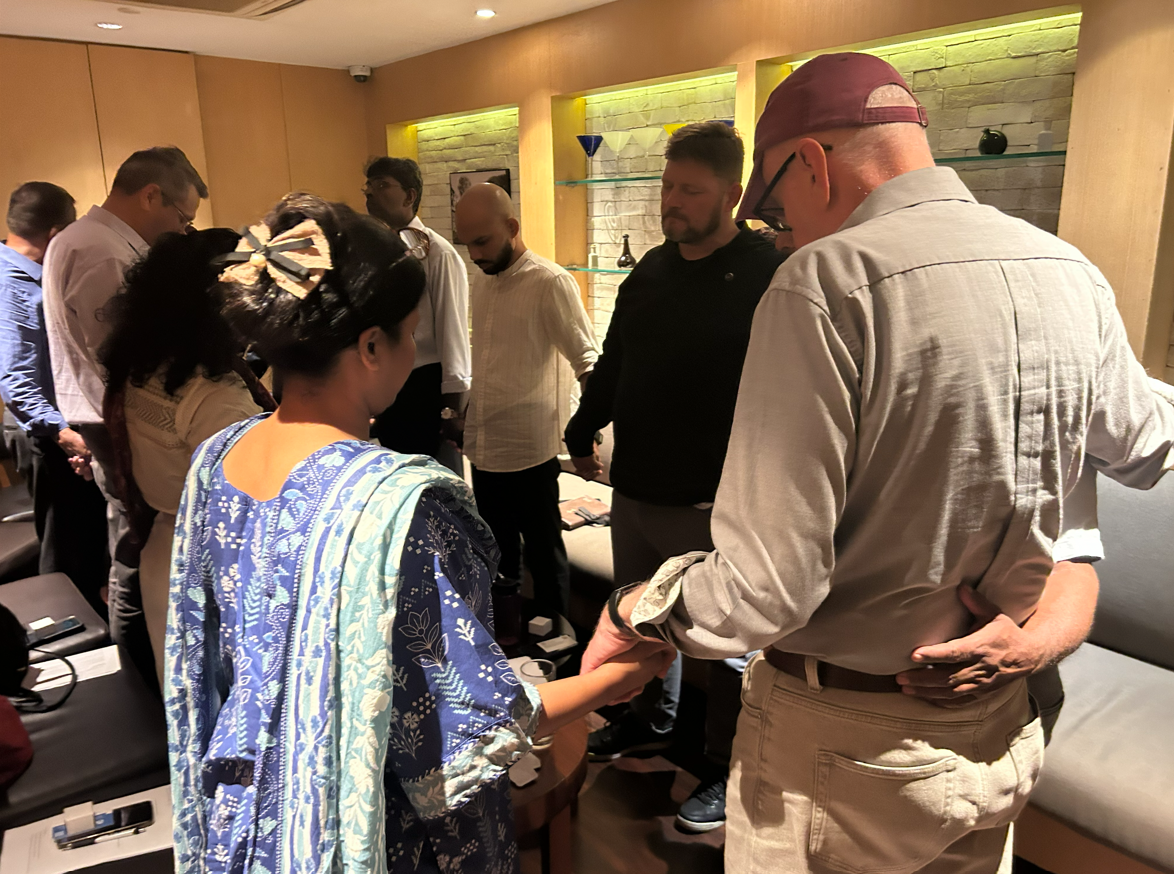
Seventy-five years ago, Christians helped shape a framework that recognised the dignity and rights of people fleeing persecution. It is a legacy that should not only be remembered, but continued. Christians have an opportunity to stand in the gap for those who have been displaced, persecuted, and forgotten.
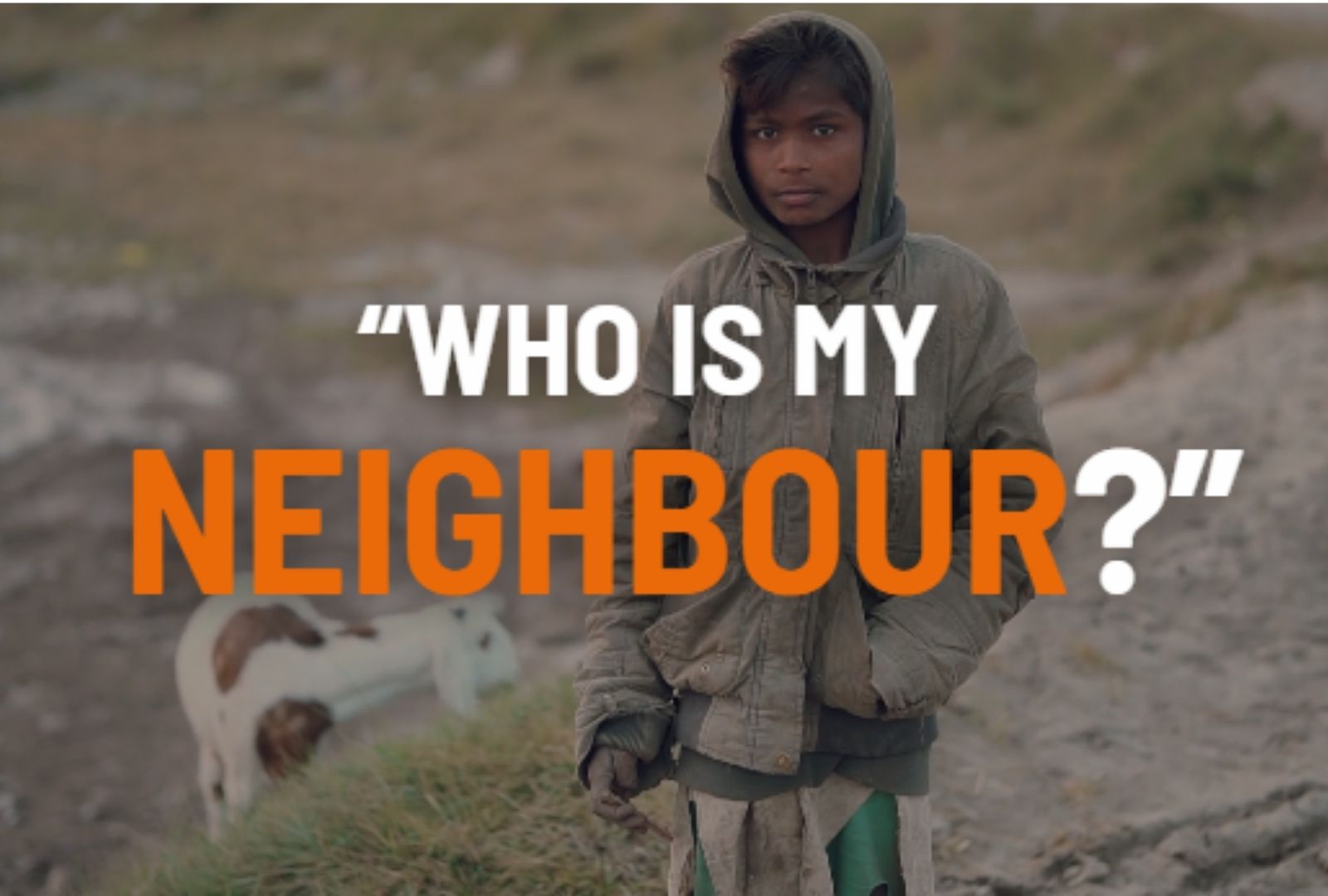
As followers of Christ, we are called to be both compassionate neighbours and faithful advocates. By engaging with policymakers, governments, and international organisations, we can help ensure that the principles of human dignity, religious freedom, justice, and protection remain at the centre of refugee responses around the world.
Faithful engagement means recognising the flaws of human institutions while remaining committed to seeking justice for those affected by them.