March 4, 2026
Significant concern is growing for several of our closest partners who are currently stranded in Gulf states following the rapid escalation of regional conflict. Reports from our networks indicate that mobility restrictions, disrupted consular services, and overwhelmed local systems are creating acute challenges for displaced individuals, including religious minorities and migrant workers.
Immediate Impact on Partners and Networks
- A partner in Lebanon reports that churches and community organisations “have come to the point of not knowing how to respond,” with displaced and impoverished people now on the streets and local capacity severely strained.
- Several individuals connected to our networks are currently stranded at UAE airports, unable to transit or return due to rapidly escalating conflict.
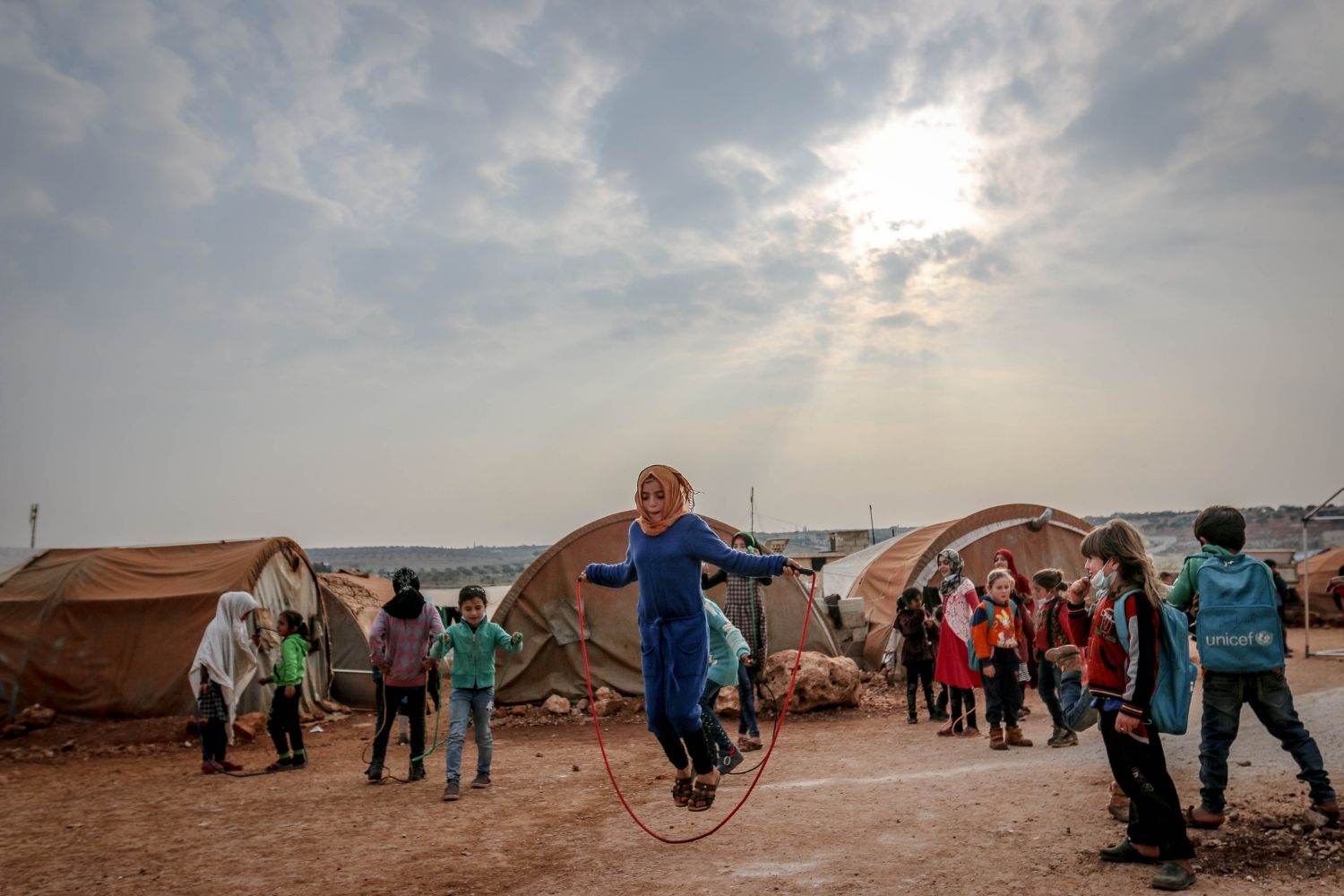
- Dozens of families we support remain displaced across Iran, the UAE, Turkey, Armenia, and Azerbaijan, facing prolonged uncertainty and limited or no access to assistance.
Regional Displacement Trends
Millions of people are now internally displaced across Iran, Lebanon, Yemen, and Israel. Humanitarian groups note that internally displaced people are facing increasing hardship. The combination of widespread airstrikes, civilian casualties, and infrastructure damage, suggests displacement will rise sharply if hostilities continue.
Ethnic and religious minorities are facing heightened risks as the conflict escalates, with credible human rights agencies reporting disproportionate harm to Christians and other religious minorities. Those who have converted from Islam are especially vulnerable, as they are frequently accused of “acting against national security,” a charge that has intensified under wartime conditions.
Recent reports indicate that minorities are now more likely to be suspected of espionage, and authorities have increased monitoring of phone calls and expanded arrests under broad security justifications, deepening fear and uncertainty within these already‑marginalised communities
Migrant Worker Vulnerability in the Gulf
The International Labour Organisation estimates that over 24 million migrant workers are employed across the GCC states, primarily from South and Southeast Asia and Africa. While Gulf governments do not publish religion-specific data, migration research and Pew Research Centre analysis indicate that 8–15% of these workers are Christians across the UAE, Qatar, Saudi Arabia, Kuwait, Bahrain, and Oman.
If conflict‑related disruptions persist, migrant workers may have to face evacuations, job loss or contract suspensions, housing insecurity, and a sharp decline in remittances, an impact that would ripple across home‑country economies in South Asia, Southeast Asia, and parts of Africa.
Potential Cross-Border Refugee Movements
If the situation deteriorates further, large-scale refugee flows could move toward Turkey, the Kurdistan Region of Iraq, Azerbaijan, and Armenia. This dynamic may increase pressure on Europe and Western countries as displaced populations seek alternative routes.
Movement from Iran toward Gulf states is historically limited, tightly controlled, and unlikely to expand significantly because Gulf countries are not signatories to the 1951 Refugee Convention. Political sensitivities and Shia-Sunni dynamics make the acceptance of Iranian refugees particularly complex, and there is no established pathway for long‑term asylum within the Gulf states.
Our Response
The persistent failure of governments and the UN systems to protect persecuted religious minorities has left these communities with little influence over the migration policies that shape their futures.
In several Western countries, including Australia, current approaches continue to disadvantage those most at risk. At the same time, greater clarity is urgently needed from Church‑based humanitarian agencies about how they intend to respond to unfolding crises.
Philoi Global is working to map the landscape, strengthen networks, and explore practical pathways so that faith‑based organisations can act collectively and effectively in meeting these urgent humanitarian needs.
Help us to sustain families at risk.
*Names have been changed for security reasons.