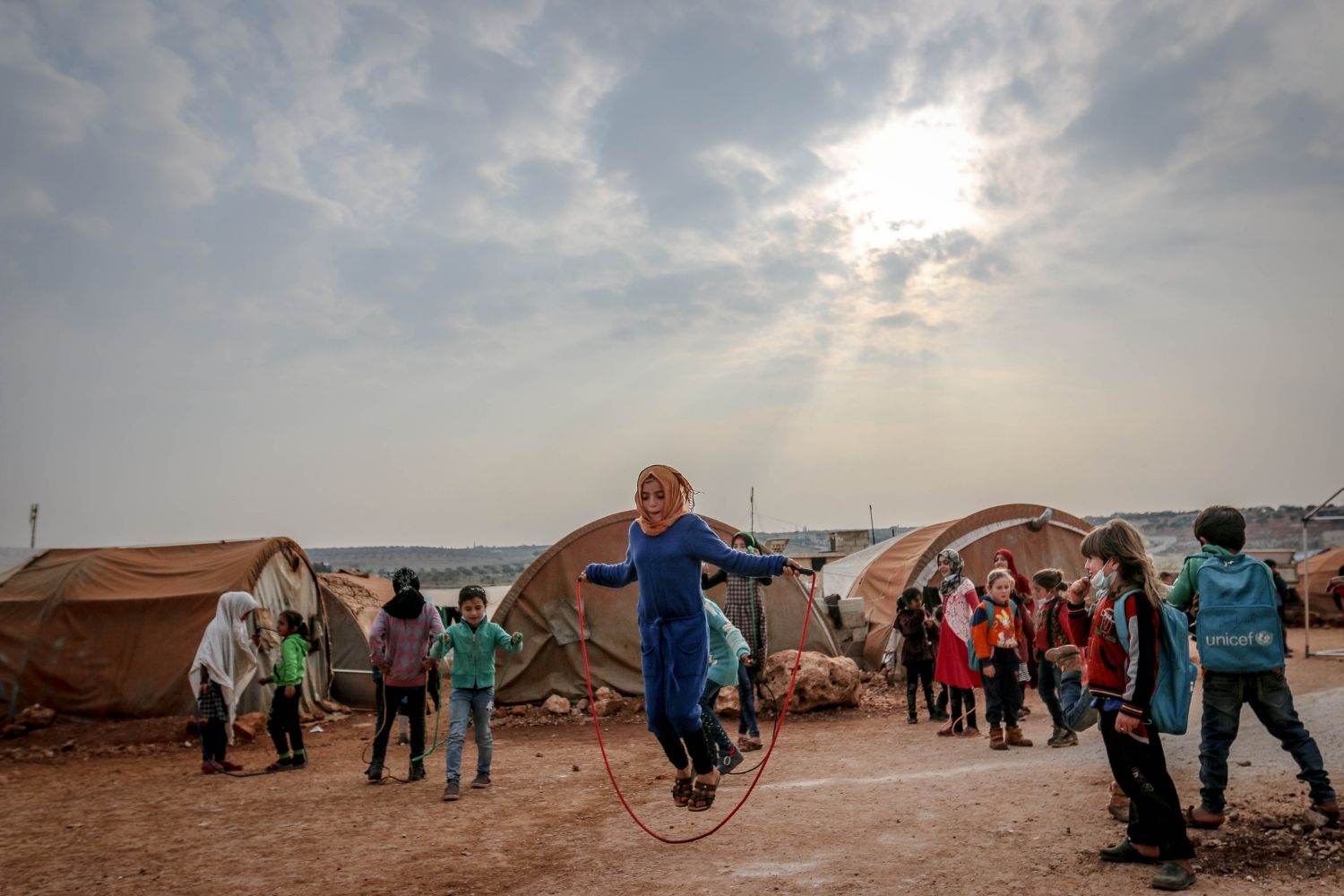
Philoi held a consultation in Sri Lanka in September 2026, bringing together leaders and practitioners from India, Nepal, Pakistan, and Sri Lanka, serving the forcibly displaced.
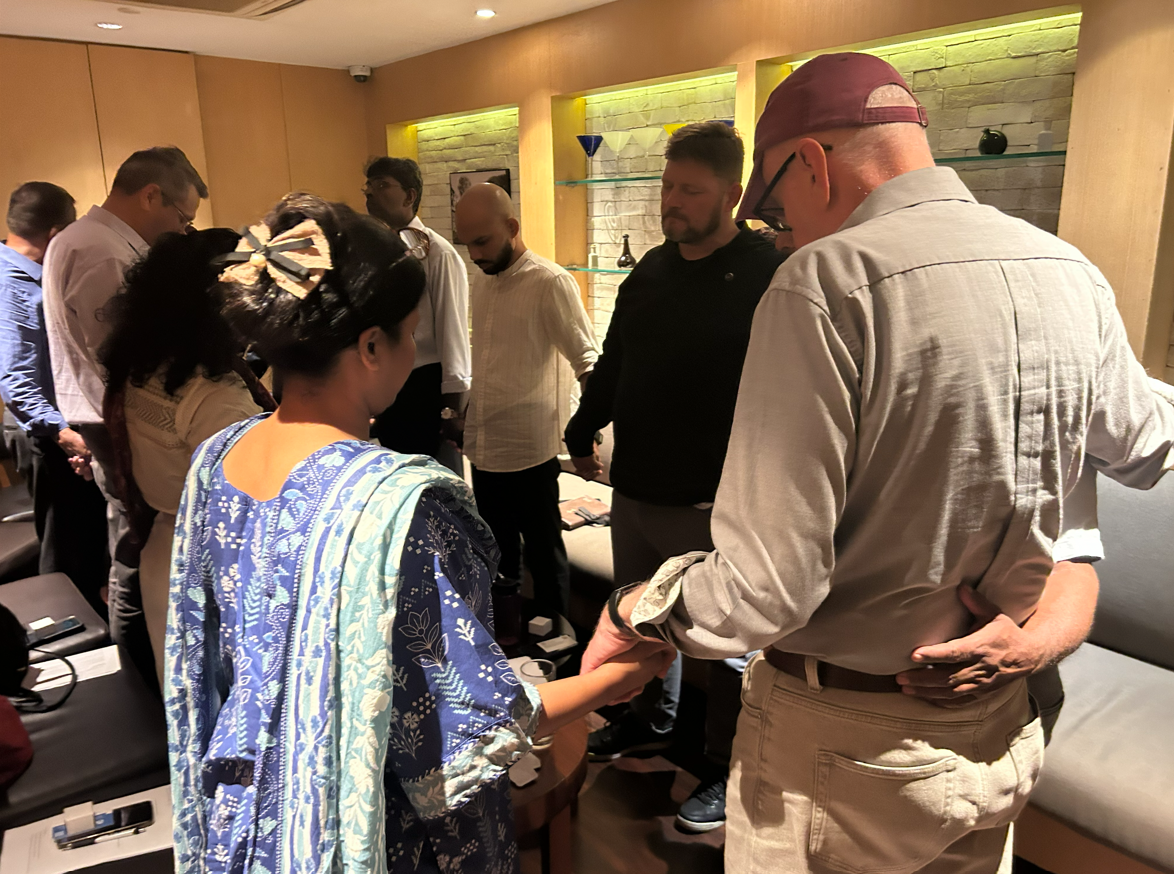
In September 2026, Philoi convened the South Asia Consultation on Forced Displacement, Protection, and Durable Solutions in Colombo, Sri Lanka. It brought together leaders and practitioners from India, Nepal, Pakistan, and Sri Lanka.
Members of the Refugee Highway Partnership (RHP) Global Leadership Team also participated. Sadly, several invited representatives from Afghanistan, Bangladesh, and Myanmar could not attend because of travel restrictions.
During the consultation, a participant from Pakistan reflected:
"The church and authorities often do not see the plight of displaced people. Anyone who chooses to support refugees does so with a significant amount of personal risk."
Her words resonated deeply with others around the table.
It is widely understood that refugees often experience loneliness, displacement, and exclusion. Yet, this consultation highlighted another reality: it is also a lonely place for those serving refugees.
The battle with loneliness
Throughout the consultation, individuals were able to reflect with one another, giving mutual encouragement to those walking alongside these vulnerable communities.
Three critical themes were unpacked:
- The theology of suffering
- Approaches to facilitating return and reintegration
- Opportunities and challenges presented by complementary migration pathways
While theological, legal, and policy issues were addressed one theme continued to come up:
Loneliness.
For many leaders and churches serving the displaced, the work can be profoundly isolating. Many spoke openly about feeling misunderstood, unsupported, and at times overlooked by both church and government institutions. They described significant personal, financial, social and political risks they face when choosing toe stand alongside the forcibly displaced.
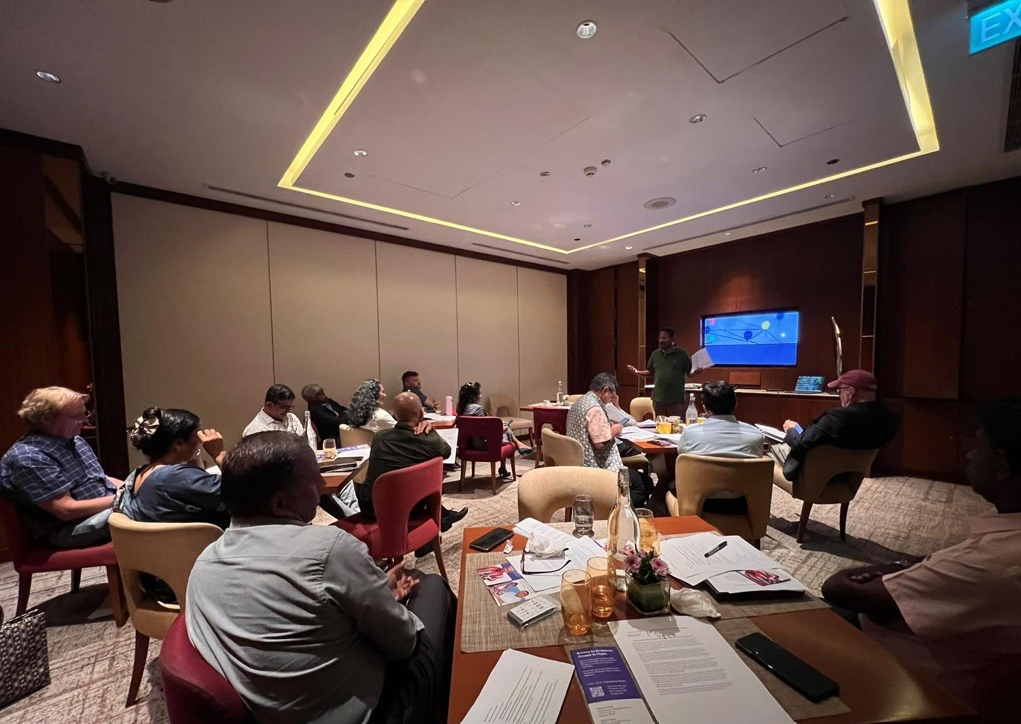
Church-based responders across South Asia shared similar experiences.
Some expressed frustration that the wider Church rarely recognises forced displacement as a significant missional concern.
Others described governments viewing refugee ministry primarily through a security lens, making meaningful engagement increasingly difficult.
These challenges are unfolding against a troubling global backdrop. Humanitarian funding continues to decline while displacement continues to rise. Vast numbers of refugees remain in situations where safe return is impossible, yet opportunities for durable solutions remain limited. As resources shrink and political pressures increase, those serving displaced communities often find themselves carrying heavier burdens with fewer sources of support.
Participants from India particularly highlighted how regulatory restrictions have affected a number of Christian organisations working with the displaced, further constraining responses to growing humanitarian needs. These leaders noted that responding to these issues requires an incredible amount of perseverance.
But through prayer, honest conversation and shared learning, many found renewed encouragement to continue serving faithfully, knowing they are not alone in the field.
There was a strong understanding that responders needed more than just funding and training. They need a supportive community that understands their calling, and stands beside them in prayer.
"I have been involved with displaced communities for 10-12 years, working mainly independently. This consultation has renewed my motivation. It reminded me that I am not alone in this work. It has encouraged me to go the extra mile in serving the displaced."
Sri Lankan Participant, 2026.
We invite you to pray for those serving refugees and forcibly displaced people in South Asia. Pray for courage, wisdom, and clarity as they seek to respond as Jesus did, walking alongside the vulnerable, the oppressed, and the forgotten. May they know that they are not alone in this calling.
Help us to sustain families at risk.
*Names have been changed for security reasons.